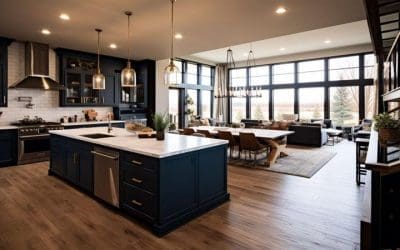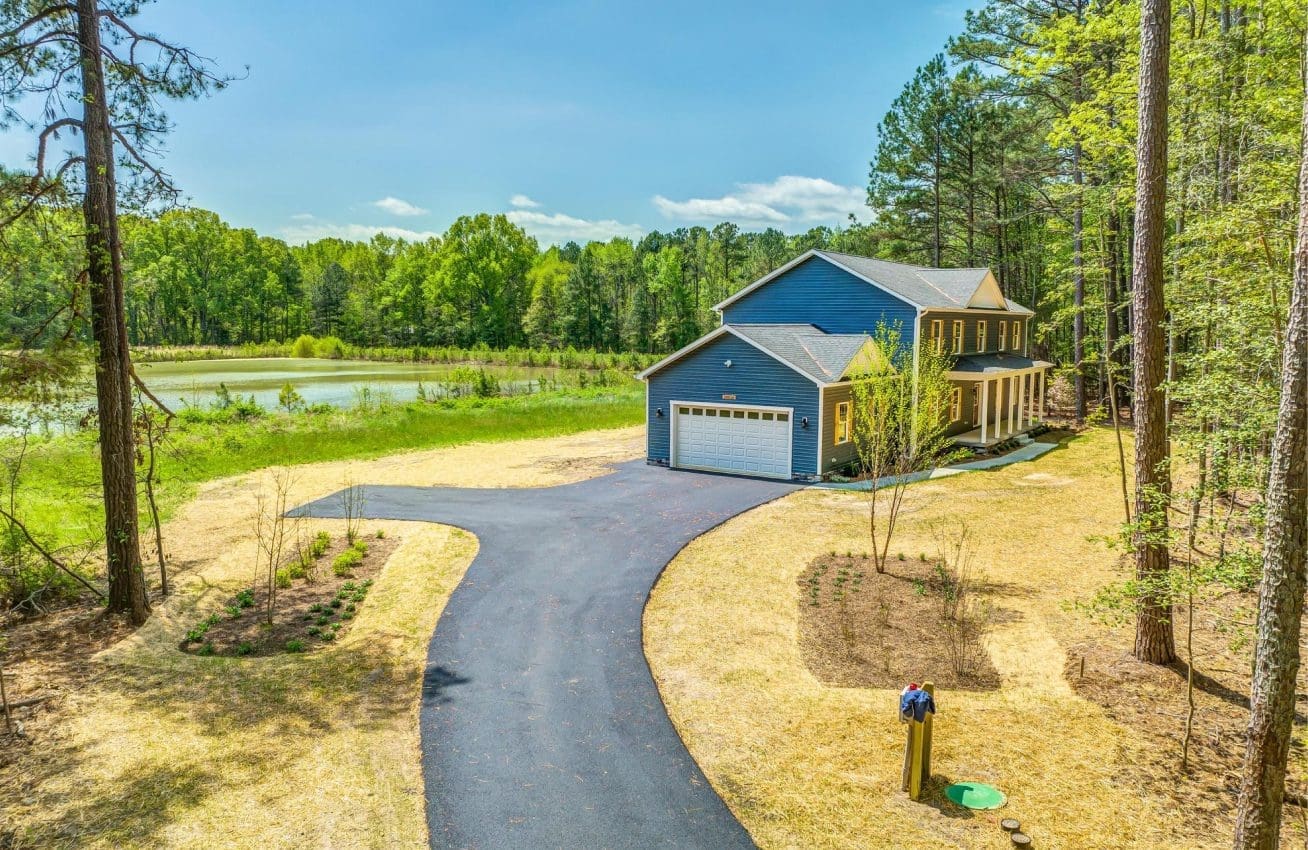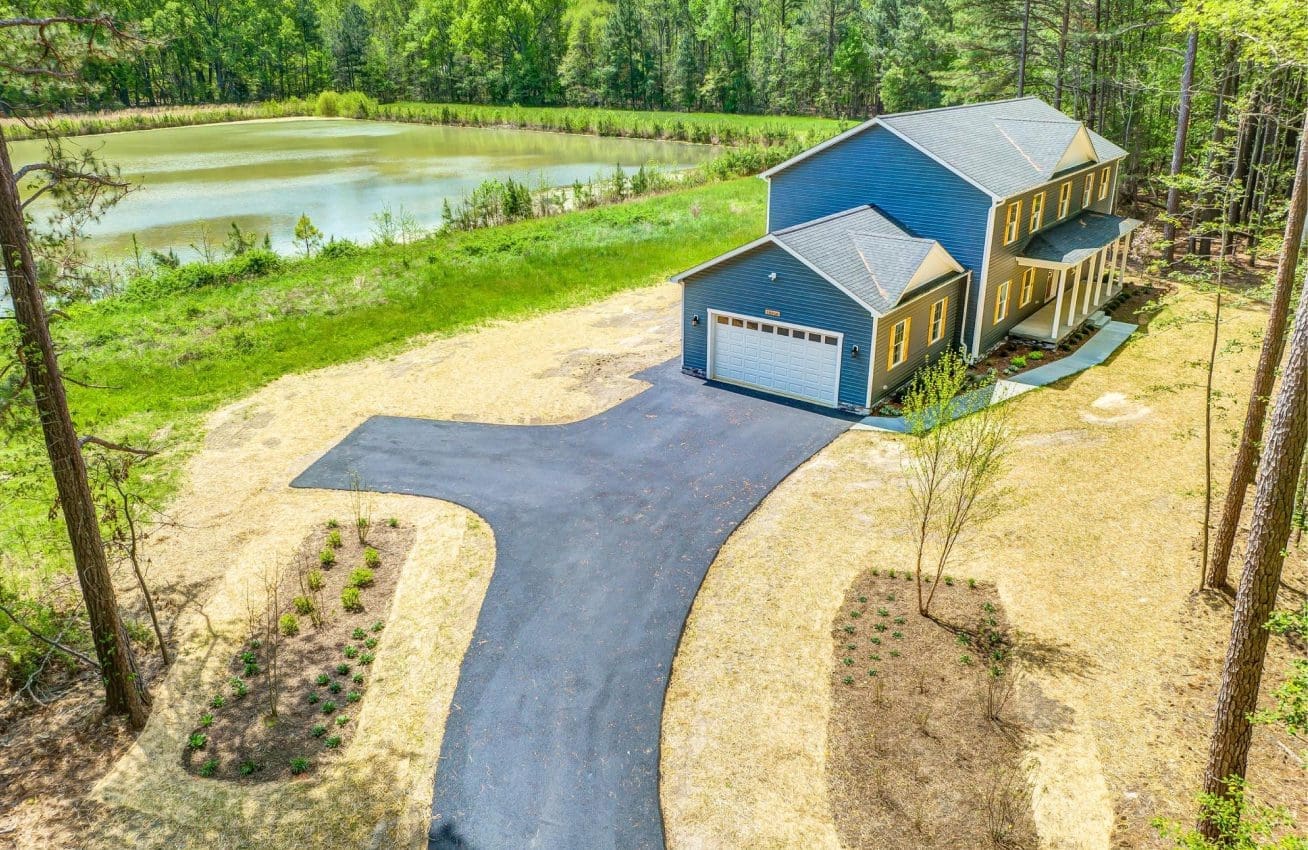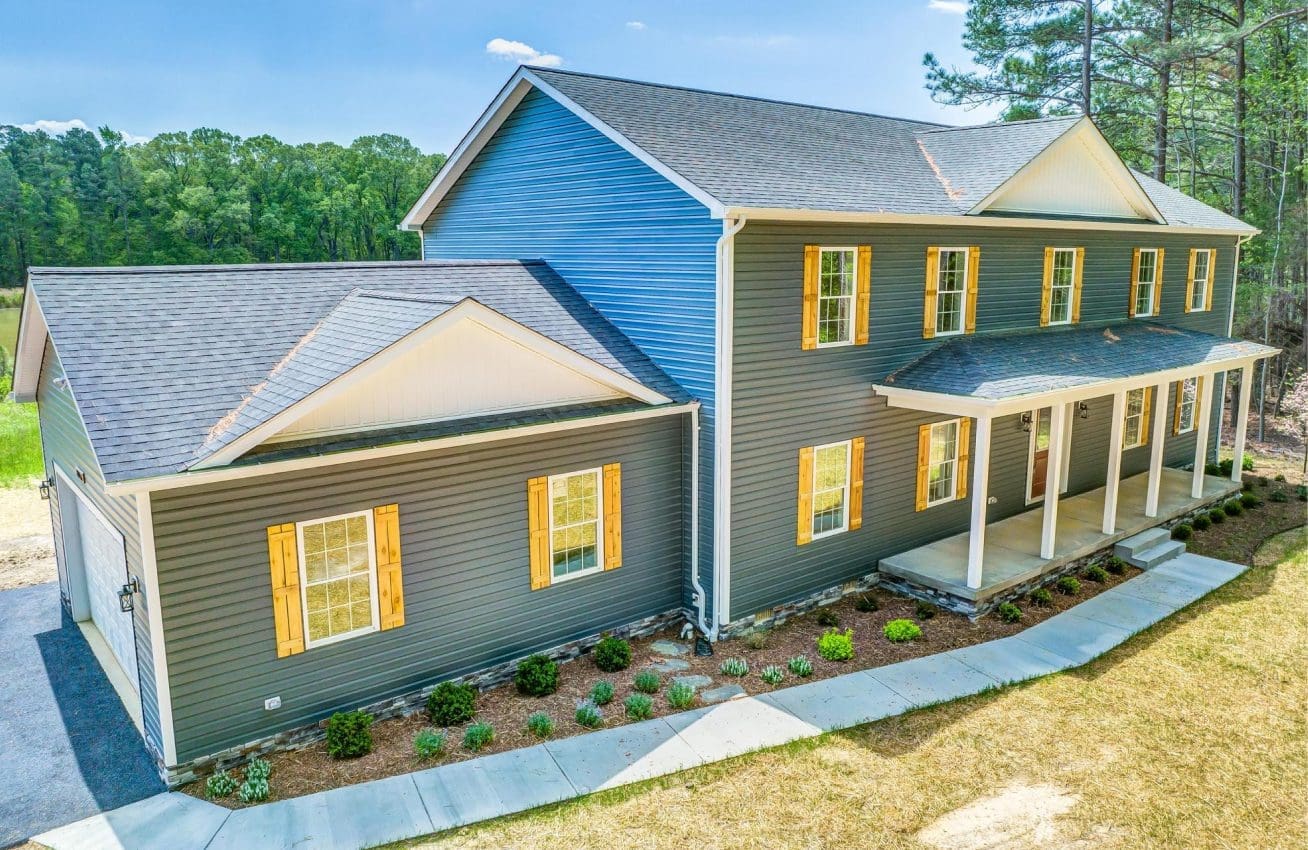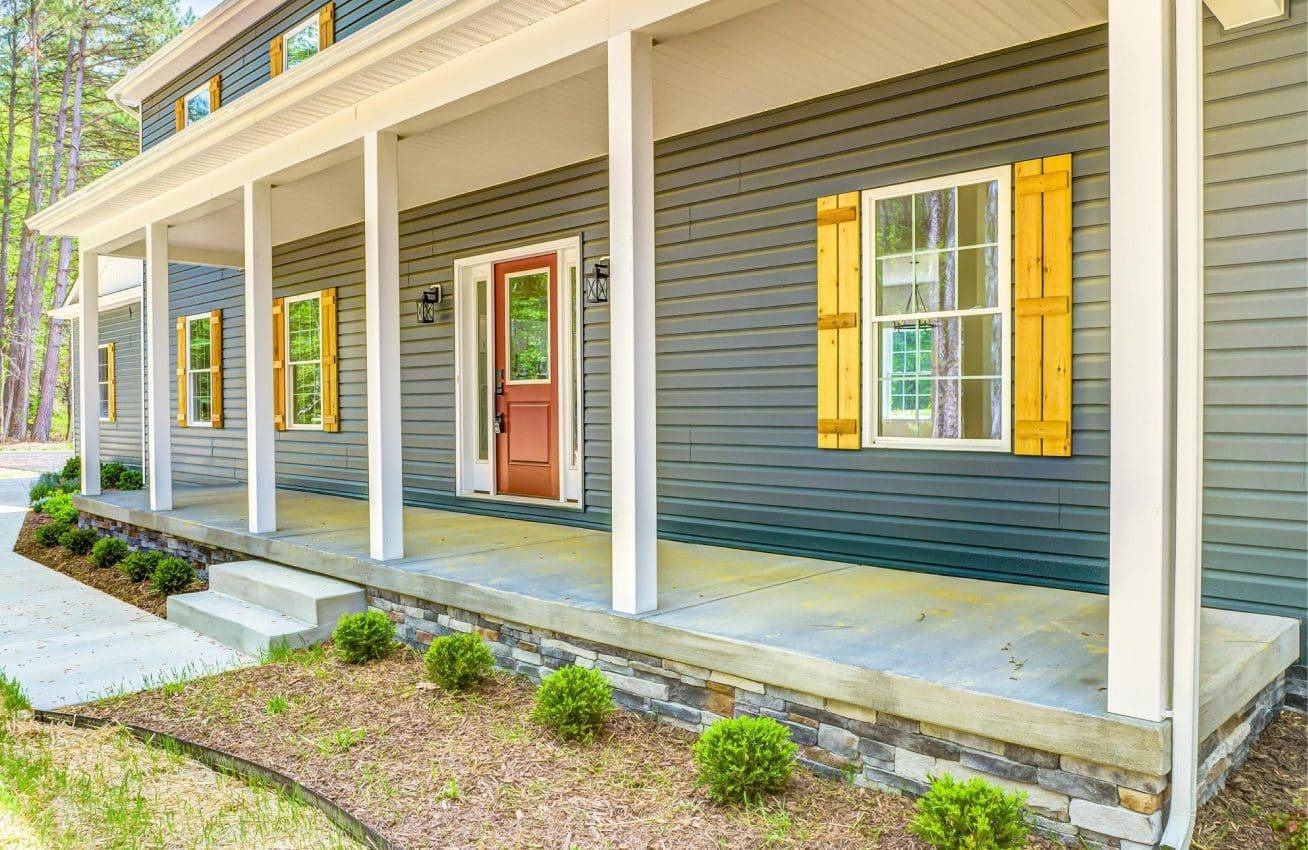

A home remodeling project is exciting, it’s your opportunity to upgrade comfort, improve functionality, and increase property value. However, without proper planning, remodeling can quickly become overwhelming. From budgeting and design decisions to hiring professionals and managing timelines, every step matters.
Whether you’re renovating a single room or transforming your entire home, following a structured checklist ensures a smoother experience and better results. This step-by-step home remodeling checklist will guide homeowners through the entire process, helping you avoid costly mistakes and achieve the home you’ve always envisioned.
1. Define Your Remodeling Goals
Before contacting contractors or browsing design ideas, clarify why you want to remodel. Ask yourself:- Do you need more space?
- Are you improving outdated features?
- Are you preparing to sell your home?
- Do you want better energy efficiency?
2. Set a Realistic Budget
Budgeting is one of the most critical steps in any remodeling project. Many homeowners underestimate costs because they focus only on materials and labor. Your remodeling budget should include:- Design and planning costs
- Materials and finishes
- Labor expenses
- Permit fees
- Unexpected repairs (10-20% contingency fund)
3. Research Design Ideas and Inspiration
Gather inspiration before starting construction. Explore home design websites, magazines, and remodeling portfolios to identify styles you like. Consider:- Color schemes
- Layout changes
- Storage solutions
- Lighting improvements
- Flooring and finishes
4. Determine Project Scope
Decide whether your remodeling project will involve cosmetic updates or structural changes. Cosmetic Updates- Painting walls
- Replacing flooring
- Updating fixtures
- Cabinet refinishing
- Removing walls
- Electrical or plumbing upgrades
- Kitchen or bathroom redesign
- Room additions
5. Hire the Right Professionals
Choosing experienced professionals is essential for project success. Skilled contractors ensure work meets safety standards and local building codes. When searching for home improvement contractors near me, look for:- Verified licenses and insurance
- Strong customer reviews
- Portfolio of completed projects
- Transparent pricing
- Clear communication
6. Plan the Layout and Design
Once you’ve selected a contractor, work together to finalize design plans. Important considerations include:- Space functionality
- Traffic flow
- Storage solutions
- Lighting placement
- Electrical outlets and fixtures
7. Secure Permits and Approvals
Many remodeling projects require permits, especially those involving structural, plumbing, or electrical changes. Your contractor typically handles:- Permit applications
- Code compliance
- Inspection scheduling
8. Prepare Your Home for Construction
Before remodeling begins, prepare your living space to minimize disruption. Checklist:- Remove furniture and valuables
- Create temporary living arrangements if needed
- Protect floors and nearby areas
- Inform neighbors about potential noise
- Set expectations for project timelines
9. Monitor Progress and Communicate
Stay involved throughout the remodeling process without micromanaging. Best practices:- Schedule regular updates with your contractor
- Review progress milestones
- Address concerns early
- Confirm material selections before installation
10. Focus on Quality Materials
Choosing durable, high-quality materials ensures your remodel lasts for years. Popular homeowner choices include:- Quartz countertops for durability
- Luxury vinyl flooring for moisture resistance
- Energy-efficient windows and appliances
- LED lighting for long-term savings
11. Conduct a Final Walkthrough
Before final payment, complete a detailed walkthrough with your contractor. Check for:- Proper installation
- Paint and finish quality
- Functioning electrical and plumbing systems
- Clean workspaces
- Completion of agreed features
12. Maintain and Enjoy Your New Space
After completion, maintain your remodeled areas to preserve their beauty and functionality. Tips include:- Follow cleaning recommendations for materials
- Schedule routine inspections
- Address small issues early
- Keep documentation for warranties and future resale
Common Remodeling Mistakes to Avoid
Even well-planned projects can face challenges. Avoid these common pitfalls:- Skipping professional planning
- Choosing contractors based solely on price
- Ignoring permits and codes
- Changing designs mid-project
- Underestimating timelines
Why Planning Matters in Home Remodeling?
A structured remodeling approach reduces stress, controls costs, and improves outcomes. Instead of reacting to problems, homeowners stay proactive and confident throughout the process. When homeowners search for home remodeling near me, they’re often looking for reliability, transparency, and expertise. A clear checklist ensures you work effectively with professionals and achieve results that align with your lifestyle.Conclusion
Home remodeling is more than a construction project, it’s an investment in comfort, functionality, and long-term property value. By following a step-by-step checklist, homeowners can confidently navigate each stage, from planning and budgeting to final inspection. Partnering with experienced professionals makes the journey smoother and ensures high-quality results. If you’re ready to bring your vision to life, MD Custom Construction provides expert craftsmanship, thoughtful design solutions, and dependable service to help homeowners transform their spaces with confidence.Frequently Asked Questions (FAQs)
1. How long does a home remodeling project usually take?
Project timelines vary depending on size and complexity. Small renovations may take a few weeks, while full-home remodels can take several months.
2. How do I find reliable contractors near me?
Search online for reviews, verify licensing and insurance, and request references when evaluating home improvement contractors near me.
3. Should I remodel all at once or in phases?
This depends on your budget and lifestyle. Large projects may benefit from phased remodeling to reduce disruption and manage costs.
4. How much should I set aside for unexpected expenses?
Experts recommend allocating 10-20% of your total budget for unforeseen repairs or changes.
5. Does home remodeling increase property value?
Yes. Kitchen upgrades, bathroom renovations, and functional living spaces often provide strong returns on investment and improve resale appeal.